Hartford trenchless specialists
Sewer Line Repair in Rocky Hill, CT
Camera inspections, relining, and replacements for Rocky Hill homes.
Rocky Hill sewer line help
Sewer Line Repair in Rocky Hill, CT is available through Sewer Line Repair Hartford CT. We connect homeowners in Rocky Hill, CT with trusted local Sewer Line Repair pros for diagnostics, repairs, and replacements.
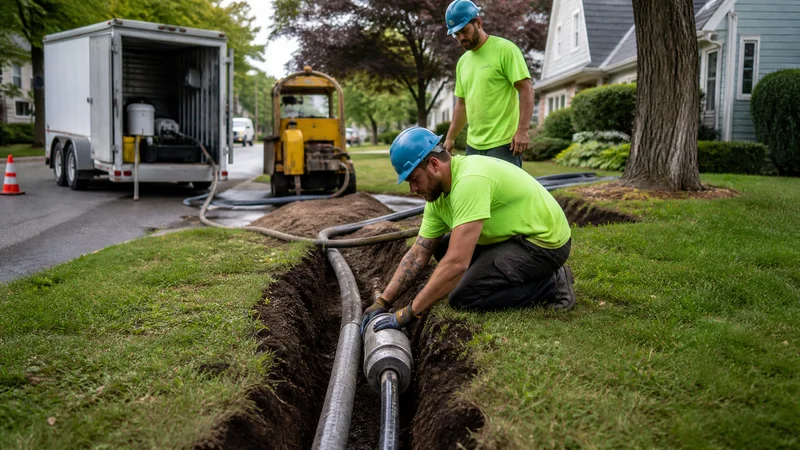
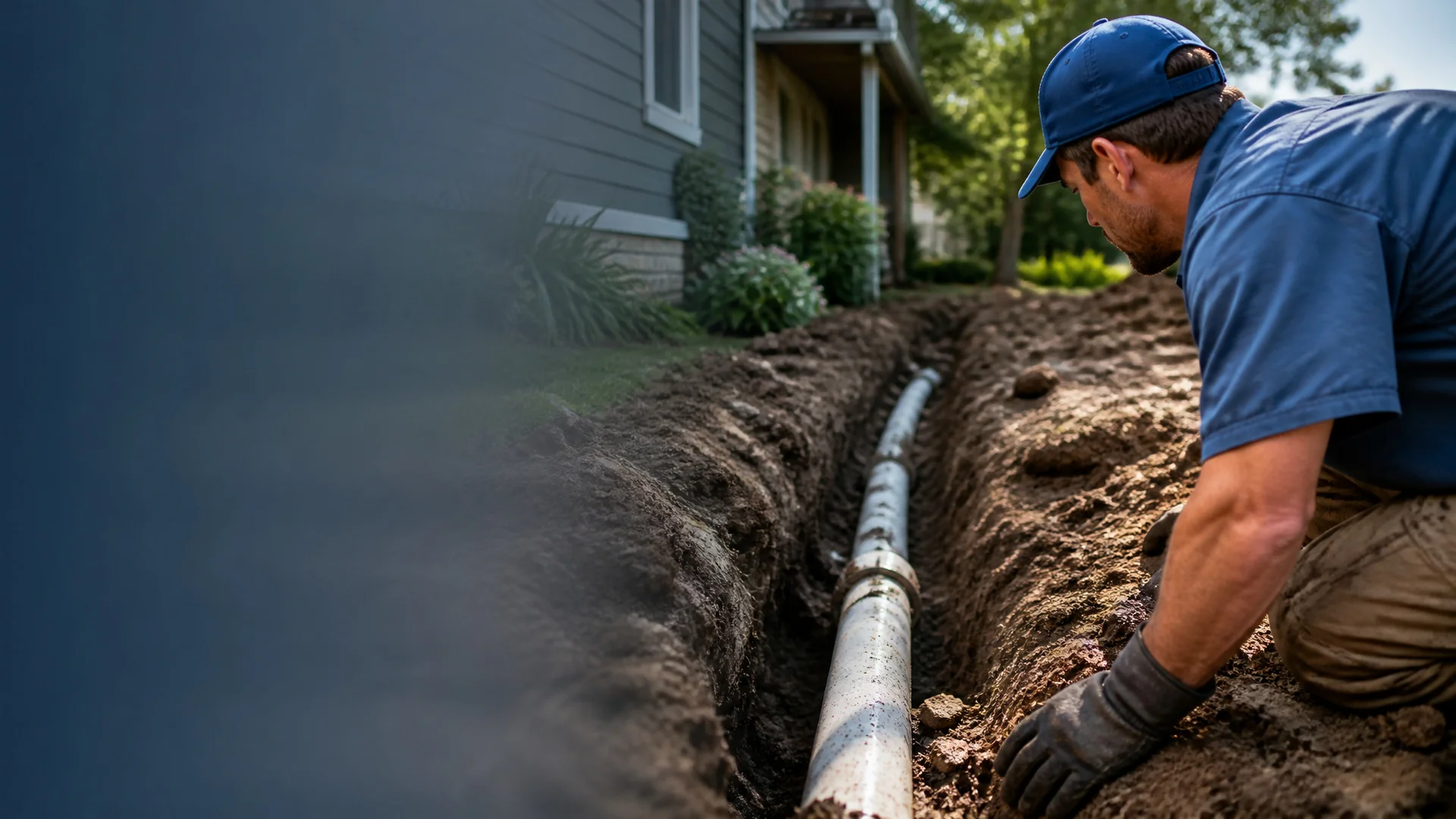
From clogged laterals to root intrusions, the matched contractors handle residential sewer line repair, trenchless sewer line replacement, pipe relining, and trenchless pipe repair. They arrive with the right equipment to protect lawns, patios, and driveways whenever possible.
Staging from Hartford, CT in Hartford, CT, teams typically reach Rocky Hill quickly via I‑91 or the Silas Deane Highway (CT‑99).
Serving Rocky Hill, CT homes; start to finish
Sewer Line Repair Hartford CT connects Rocky Hill homeowners with experienced contractors who focus on solving sewer problems with the least disruption possible. The matched pros use proven diagnostics, recommend methods tailored to your property, and complete repairs to local standards. Whether your line crosses a front yard along Silas Deane Highway or runs behind a backyard near Dinosaur State Park, the goal is a clean, durable fix.
Coverage across town
Rocky Hill has a mix of mid‑century homes, newer subdivisions, and riverfront properties. The local contractors we match serve all of Rocky Hill, including areas near Elm Ridge Park, along the Silas Deane Highway corridor (CT‑99), and by Ferry Park on the Connecticut River. From spot repairs to full replacements, they plan the work around driveways, landscaping, and utilities unique to each street.
Getting here from Hartford
The crews we match typically stage from Hartford, CT in Hartford, CT, then head south toward Rocky Hill. The usual route is I‑91 south, exiting to local connectors that lead to Silas Deane Highway (CT‑99) and residential side streets. During heavier traffic, CT‑99 straight from Hartford through Wethersfield is a dependable alternative. This Hartford‑based routing keeps travel times consistent while ensuring access to trucks, jetters, lining rigs, and replacement pipe when needed.
Why a Hartford base helps Rocky Hill
- Shorter drive times reduce downtime and help keep projects on schedule.
- Access to larger equipment and materials at the Hartford yard means fewer delays.
- Alternate routing options (I‑91 or CT‑99) help crews adjust to traffic or weather quickly.
Issues we often see in Rocky Hill, CT
Homes along the Connecticut River and low‑lying areas can experience higher groundwater, which influences both diagnosis and repair methods. In mature neighborhoods off Silas Deane Highway, tree roots are a frequent cause of clogs and cracked clay laterals. Mid‑century houses may have cast‑iron lines that have scaled internally over time, while newer PVC systems can still settle at joints or incur damage from construction or landscaping. The matched pros tailor solutions to these conditions so the fix fits your property and soil.
Clear diagnostics before work begins
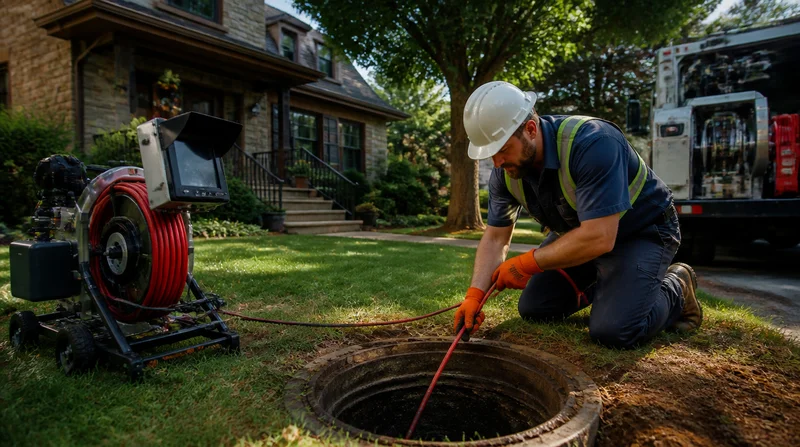
- Camera inspections to see the true condition of the line.
- Line locating to map the pipe’s path and depth, reducing exploratory digging.
- Flow testing to confirm that repairs have restored proper drainage.
Trenchless options that protect your yard
When conditions allow, trenchless methods minimize disturbance:
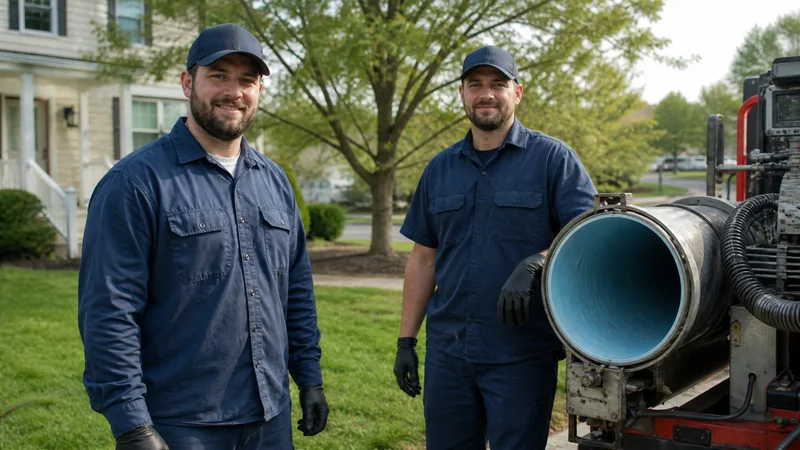
- Pipe relining (CIPP): A resin‑saturated liner is inserted and cured in place to create a smooth new interior pipe, often ideal for clay or cast‑iron laterals.
- Sectional point repairs: For isolated defects, a short liner patch targets the problem area.
- Trenchless pipe replacement (pipe bursting): The damaged pipe is replaced along the same path with limited access pits, avoiding long open trenches.
These approaches help preserve lawns, patios, and mature trees while restoring full function.
When open‑cut makes sense
Not every line can be relined or replaced trenchlessly. Severe collapses, extreme sags, or very shallow lines near utilities can call for open‑cut excavation. In those cases, the contractors plan compact work zones, protect nearby surfaces, and restore disturbed areas at the end of the job.
Working near landmarks and local conditions
- Dinosaur State Park area: Many properties here have established landscaping and tree cover. Trenchless relining and careful access planning reduce impact to trails, beds, and root zones.
- Ferry Park and the Connecticut River: Higher groundwater or saturated soils are more common near the river. Crews may use temporary bypass pumping and dewatering to keep the work area safe and dry.
- Silas Deane Highway corridor: Busy roads and shared driveways require tight staging and clear communication with neighbors. Technicians coordinate arrival windows and keep equipment organized to limit disruptions.
How the work is carried out
The matched pros keep the process straightforward. After a camera inspection confirms the issue, they review options in plain language and show you the footage so you can see what they see. If permits are required, they plan the timeline around approvals and inspection checkpoints. On the job, they protect walkways and interior floors, set up safe access points, and keep you updated as milestones are completed.
Access planning for different property types
- Front‑yard laterals: Often ideal for trenchless repairs with a single access pit near the foundation or curb.
- Rear‑lot lines: Crews may bring compact equipment through side yards or gates and use temporary mats to protect grass.
- Shared or long driveways: Staging is kept to a minimum footprint, with traffic cones and signage where needed for safety.
Weather and seasonal considerations in Rocky Hill
Cold snaps can expose weak points in old lines, while spring thaws add groundwater that affects excavation and curing. The local teams monitor forecasts and adjust techniques accordingly - selecting resins and cure methods that work in cooler temperatures and ensuring shoring and site controls are set for wet soils. In summer, faster cure times help move projects along while maintaining quality checks.
Permits, codes, and inspections
Rocky Hill projects may require permits for excavation, right‑of‑way work, or tie‑ins at the main. The contractors we match are familiar with local processes and schedule inspections at the appropriate stages, such as pre‑backfill checks. Work is performed to local code and manufacturer specifications so your repaired system performs as intended and passes inspection.
Safety and cleanliness on every job
Sewer work demands strict safety and hygiene. Crews follow confined‑space and trench safety practices, use PPE, and contain wastewater and debris. Indoors, floor protection and clean‑out procedures keep living spaces tidy. Outdoors, job sites are secured, and the final cleanup includes raking, sweeping, and removing materials so your yard and driveway are ready to use.
Communication you can count on
Homeowners appreciate clear updates. The matched pros provide an arrival window, explain the plan before starting, and share progress as key steps are completed. If something unexpected is found; like an unmarked utility crossing... they review options with you before proceeding so the final repair remains the right fit.
Materials and workmanship built to last
For replacements, contractors commonly use SDR‑rated HDPE or PVC matched to local depth, load, and code. For relining, liners and resins are chosen for the host pipe material and soil conditions, with smooth interior finishes that improve flow. Joints, clean‑outs, and transitions are sealed and tested so the entire path... from house to main - works as a system.
When cost comes up
Every property and pipe condition is different, and the method you choose will guide the final investment. For a helpful overview, see sewer line repair costs in Rocky Hill, CT. The matched pros explain the factors that affect your project - pipe length, depth, surface restoration, groundwater, and access - so you can compare options with confidence.
Ready to serve Rocky Hill, CT
From homes near Elm Ridge Park to streets off Silas Deane Highway and the riverfront by Ferry Park, Sewer Line Repair Hartford CT connects you with skilled teams who know the area and arrive prepared. With dependable routing from Hartford, CT in Hartford, CT and a focus on trenchless solutions, your repair can be handled efficiently and with care for your property.
Our Services in Rocky Hill, CT
Rocky Hill, CT sewer line repair pricing from independent local contractors matches the rest of the Hartford, CT area: $1,200 - $5,000. See Rocky Hill, CT sewer line repair pricing.
Why Rocky Hill, CT Chooses Sewer Line Repair Hartford CT
Hartford-based routing, Rocky Hill coverage
Staging from Hartford, CT in Hartford, CT keeps travel times predictable and brings the right trucks and tools to Rocky Hill streets.
Trenchless-first approach
Relining, sectional repairs, and bursting reduce digging, protect landscaping, and speed up project timelines when conditions allow.
Clear diagnostics and options
Camera inspections and line locating show the real problem so you can choose between spot repair, relining, or replacement with confidence.
Prepared for riverfront conditions
Experience working near the Connecticut River means smart planning for groundwater, dewatering, and safe site controls.
Respect for homes and neighbors
Tidy staging, protective mats, and careful traffic planning help keep driveways open and yards clean during the work.
Sewer Line Repair FAQs in Rocky Hill, CT
When heading to Sewer Line Repair appointments in Rocky Hill, CT, what routes do crews take from Hartford, CT in Hartford, CT?
Most teams drive I‑91 south from Hartford and connect to local roads that feed Silas Deane Highway (CT‑99) into Rocky Hill neighborhoods. When traffic is heavy, CT‑99 through Wethersfield is a reliable alternate, keeping arrival times steady.
Are trenchless Sewer Line Repair methods a good fit near Dinosaur State Park in Rocky Hill, CT?
Yes. Properties around Dinosaur State Park often have mature trees and well‑kept yards, and trenchless relining or pipe bursting can reduce excavation in those areas. Pros plan access points to avoid trails, roots, and landscaped beds whenever possible.
How does high groundwater near the Connecticut River and Ferry Park affect Sewer Line Repair in Rocky Hill, CT?
River‑adjacent areas can have saturated soils, so crews may set up temporary bypass pumping and dewatering to keep trenches stable. They also choose materials and cure methods that perform well in wet conditions and verify flow before restoring the site.
What sewer pipe materials are common along Silas Deane Highway in Rocky Hill, CT, and how are they repaired?
Many mid‑century homes have clay laterals or cast‑iron sections, while newer lines may be PVC. Repairs range from sectional liners for isolated defects to full relining or, when necessary, trenchless replacement with new PVC or HDPE.
Do I need permits for Sewer Line Repair in Rocky Hill, CT, and how are inspections handled?
Town permits are typically required for excavation, right‑of‑way work, or connections at the main. The matched contractor coordinates permit paperwork and schedules inspections at the proper stages so the work can be approved without delays.
How do winter freezes and spring thaws in Rocky Hill, CT influence Sewer Line Repair schedules?
Cold weather requires careful shoring and cure planning, while spring thaws bring higher groundwater that can slow excavation. Local crews adjust methods and timing to keep work safe and on track through seasonal changes.
Contact Us Today for a Free Estimate
Stop backups and protect your property with expert sewer line repair.
Schedule your sewer line repair service today.
Free — no obligations